
Standards Only Work When Leaders Enforce Them
Written standards don’t change behavior — consistent leadership does.

Short-Term Fixes Create Long-Term Problems
Quick fixes often create hidden damage in operations, culture, and profitability over time.
Why Staffing Problems Can’t Be Solved by Hiring Alone
Hiring helps, but staffing stability comes from training, clarity, and leadership — not headcount alone.
Why Menu Discipline Is Hard — and Why It’s Worth It
Menu discipline protects margins, execution, and sanity — even when it’s uncomfortable to enforce.
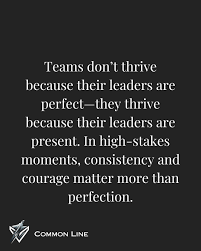
Why Presence Matters More Than Perfection in Leadership
Great hospitality leaders aren’t perfect — they’re present, consistent, and engaged with their teams.
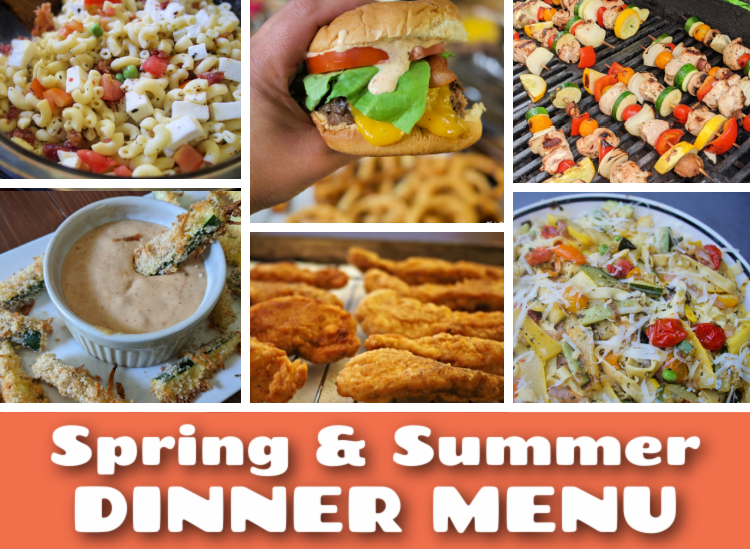
Summer Menus Fail When Operators Forget One Thing: Execution
Seasonal menus only work when they’re built for the realities of summer staffing, volume, and prep capacity.

The Best Operators Don’t Rely on Heroes
Operations that depend on heroics are fragile. Systems create stability and long-term success.
Why Strong Kitchens Feel Calm — Even When They’re Busy
Calm kitchens aren’t slow kitchens. They’re disciplined, trained, and system-driven.

The Difference Between a Good Shift and a Repeatable One
A good shift feels great. A repeatable shift builds a sustainable operation.
Why Consistency Beats Creativity in Most Kitchens
Creativity matters — but consistency is what actually builds trust, profitability, and strong teams.
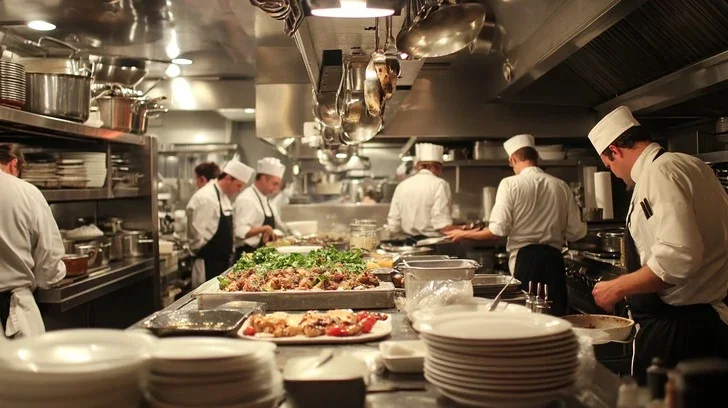
Busy Is Not the Same Thing as Productive
Many kitchens stay busy all day without actually improving results. Productivity comes from systems, not motion.
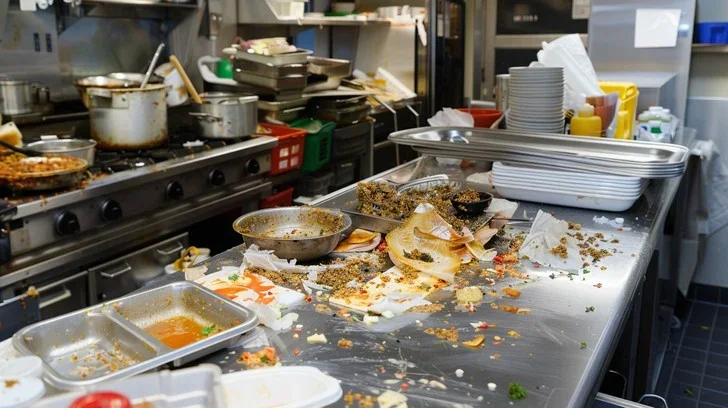
Why “Just Get Through the Shift” Is Costing You More Than You Think
Running shifts in survival mode creates long-term damage to systems, culture, and profitability. Here’s how to break the cycle.
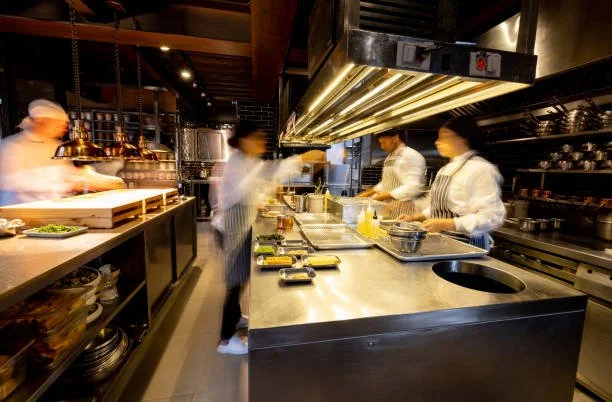
Execution Under Pressure Reveals the Truth About Your Systems
Busy shifts don’t break kitchens — they expose the strength (or weakness) of your systems.

Why the Best Operators Reset Their Kitchens More Often Than You Think
High-performing operators regularly reset systems, menus, and expectations to prevent drift and chaos.
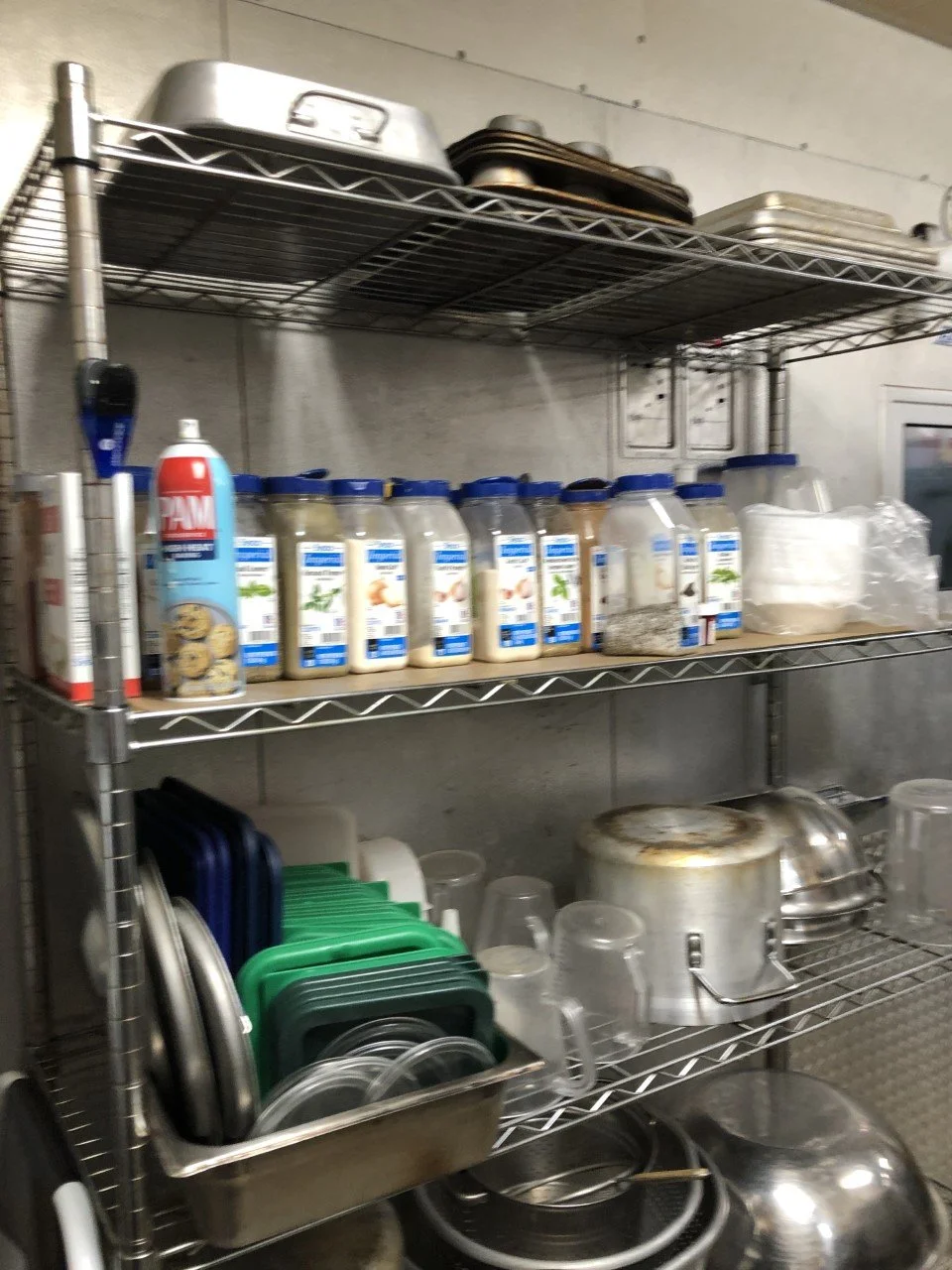
Culture Isn’t the Wall Art — It’s What You Allow Every Shift
Kitchen culture isn’t created by posters or slogans — it’s built through daily behavior, accountability, and leadership presence.
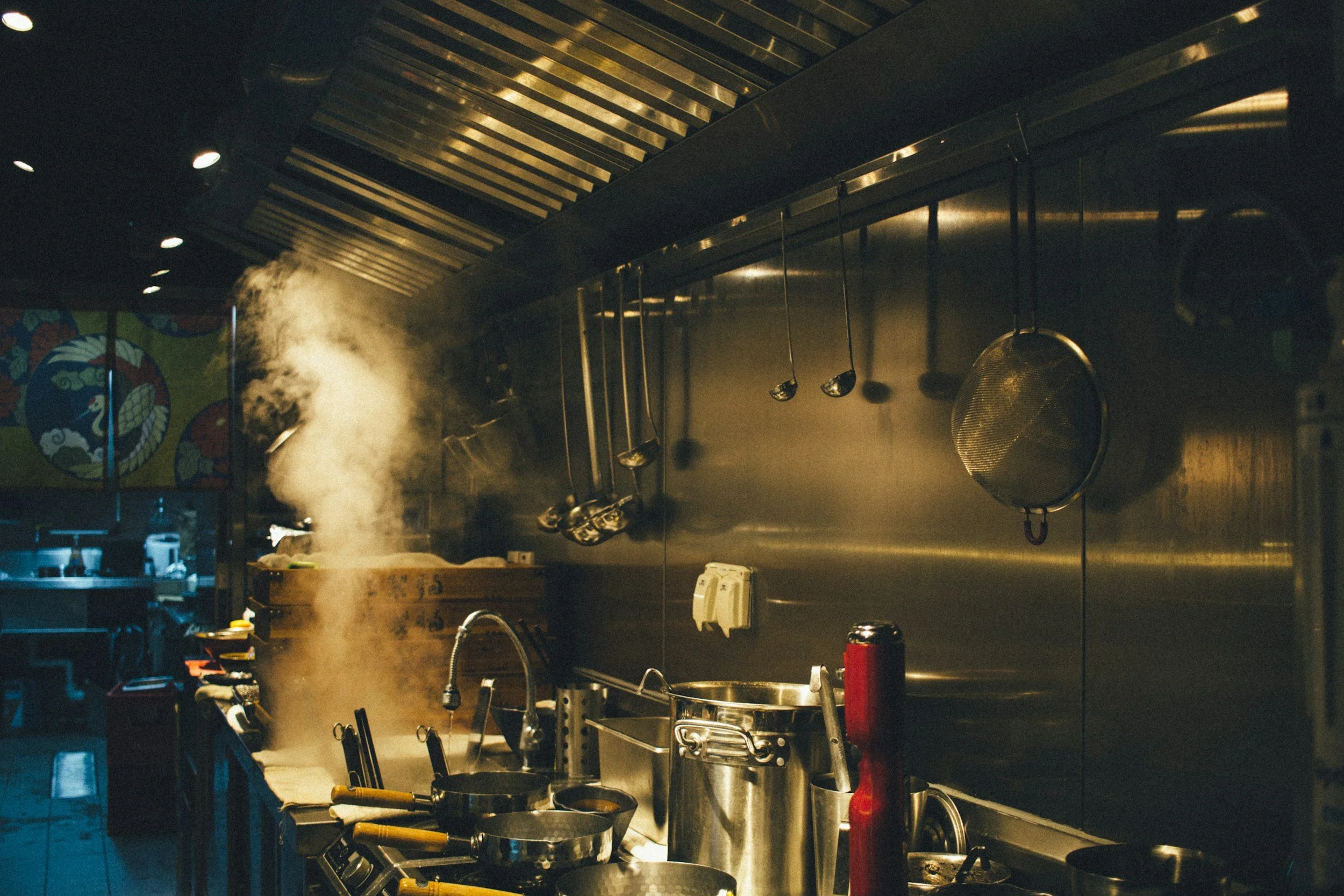
What Happens When Nobody Owns the Line
When no one owns the line, execution breaks down fast. Accountability is the missing link in many struggling kitchens.
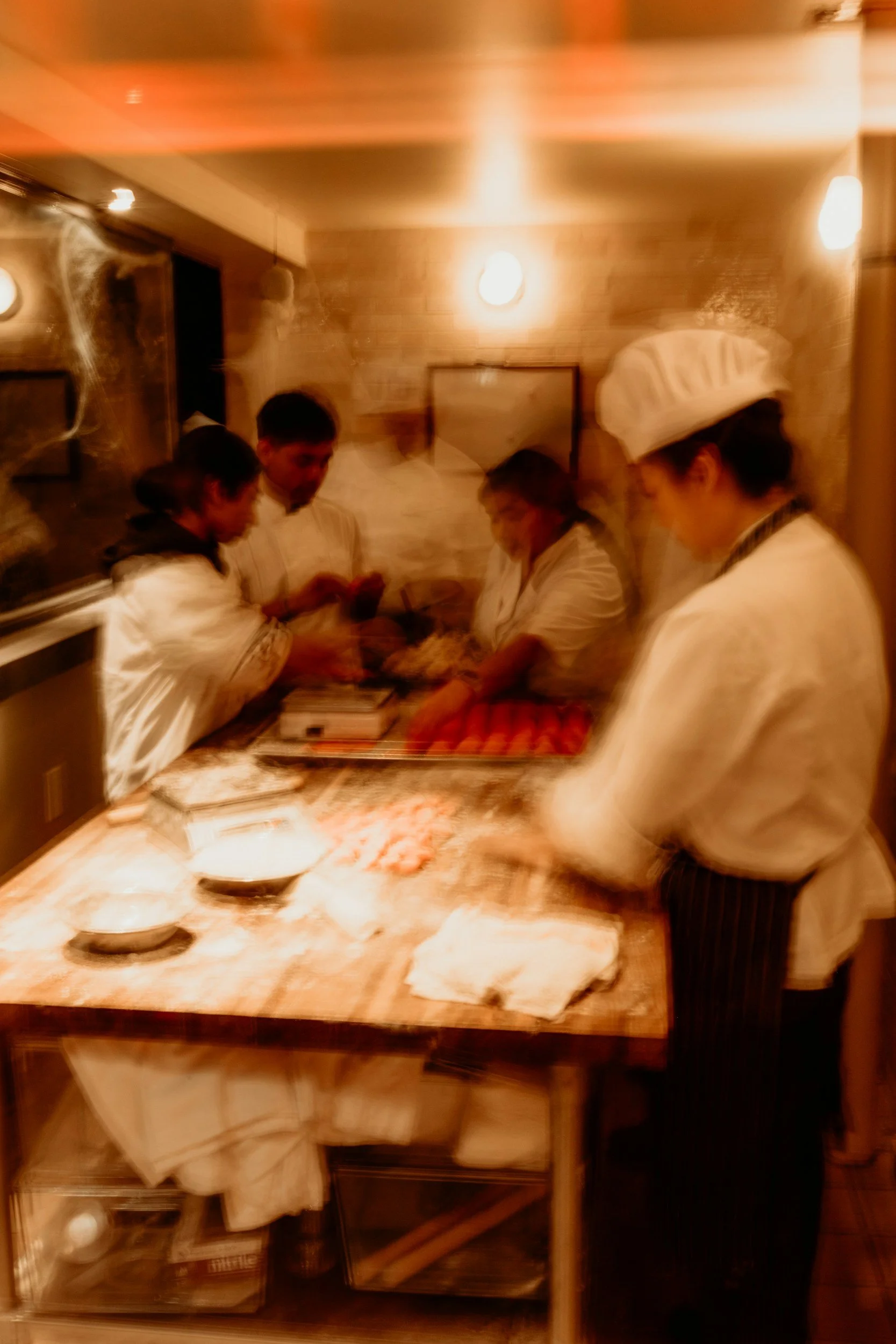
The Most Overlooked Part of Kitchen Execution: Communication
We talk endlessly about:
recipes
prep standards
station setup
timing
flow
ticket management
But there’s one piece of execution that doesn’t get nearly enough attention:
Communication.
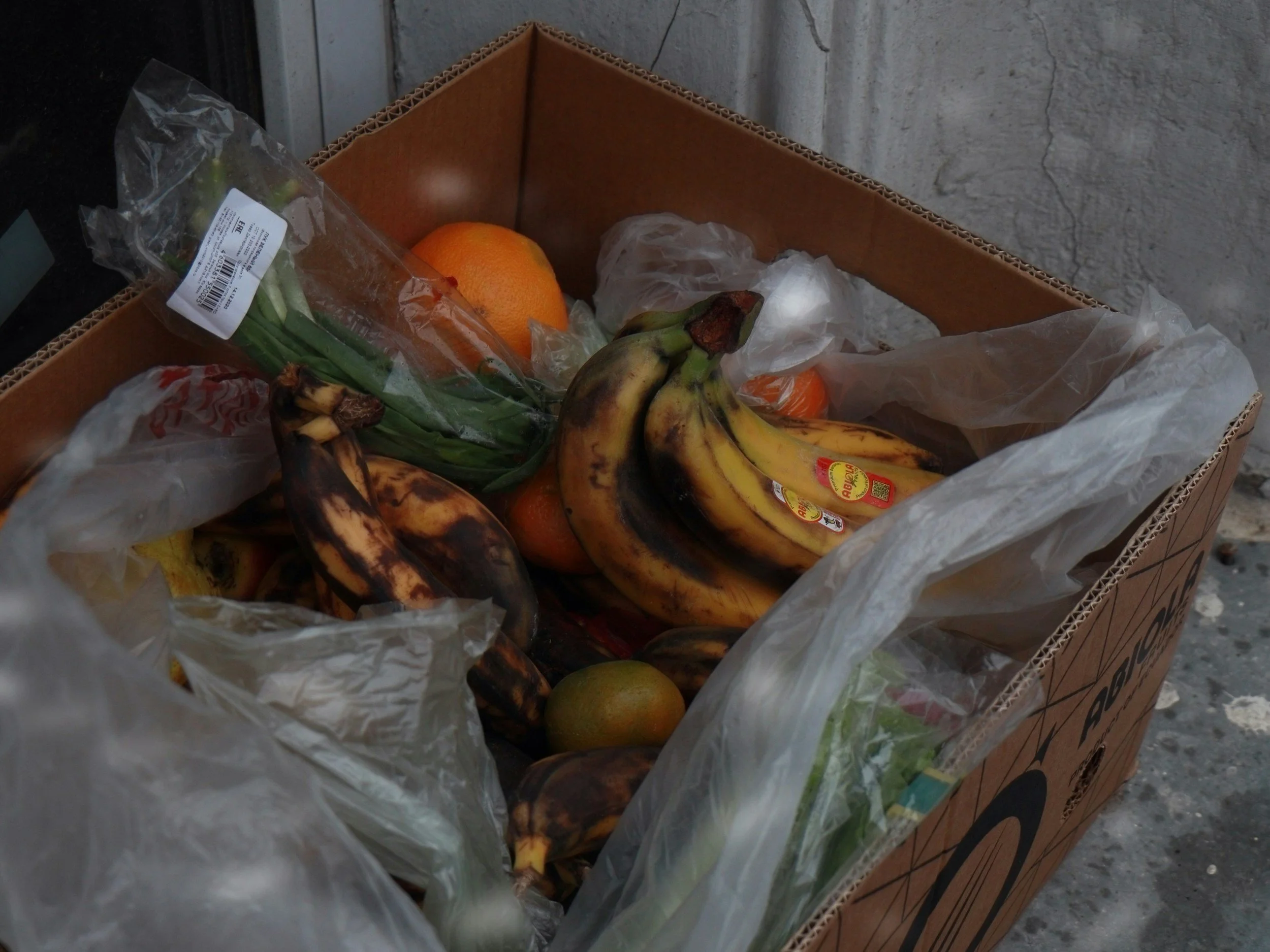
Why Food Waste Is a Leadership Problem — Not a Kitchen Problem
Food waste gets blamed on cooks all the time:
“They over-prepped.”
“They didn’t rotate.”
“They messed up the yield.”
“They threw out too much.”

Your Menu Isn’t Too Small — Your Execution Is Too Big
Most operators think they need more menu items. In reality, they need a menu that matches their labor, training, and operational capacity.
Why Restaurants Need to Stop Fixing Symptoms and Start Fixing Systems
Most restaurant problems aren’t operational emergencies — they’re system failures in disguise. Here’s how to fix the root, not the symptom.