
Confidence Is Built Before Service Starts
Kitchen confidence doesn’t start when tickets print — it’s built during prep, training, and communication.

Coaching in the Moment Beats Correcting Later
Real-time coaching prevents repeated mistakes and builds stronger kitchen habits.

Why Standards Drift — and How to Stop It
Standards naturally drift over time. Strong operators recognize it early and reset before chaos builds.

The Most Expensive Thing in Your Kitchen Isn’t Food — It’s Confusion
Confusion in expectations, communication, and standards quietly drains profit and morale in foodservice operations.

Why the Best Teams Don’t Wait to Be Told
Empowered teams anticipate needs, communicate early, and take ownership of execution.
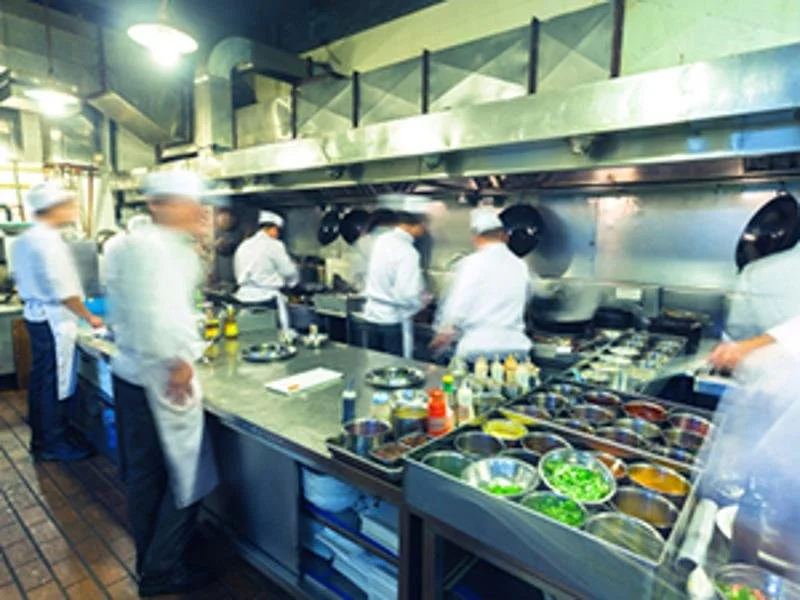
The Difference Between Busy Stress and Productive Pressure
Not all pressure is bad. The right kind improves focus and execution — the wrong kind creates chaos.

Guests Feel Your Systems — Even If They Never See Them
Behind-the-scenes systems directly impact guest experience, even when guests never see the kitchen.

Speed Comes From Preparation, Not Urgency
Fast kitchens aren’t rushed kitchens — they’re prepared kitchens.

Clarity Is the Fastest Way to Improve Performance
Clear expectations and communication improve kitchen performance faster than any new system or equipment.
The Quiet Power of Doing the Basics Extremely Well
Excellence in foodservice comes from mastering fundamentals, not chasing complexity.
Why Accountability Should Feel Fair — Not Personal
Healthy accountability builds trust and consistency without creating fear or resentment.

The Best Operators Know When to Say No
Strong leadership isn’t about adding more — it’s about protecting focus, standards, and execution.

Why “We’ve Always Done It This Way” Is the Most Expensive Phrase in the Kitchen
Outdated habits quietly drain profitability, morale, and efficiency in foodservice operations.

Discipline Is What Keeps Good Ideas From Falling Apart
Great ideas fail without discipline. Strong execution depends on follow-through, not inspiration.

Strong Operations Don’t Depend on Motivation
Motivation fades. Systems, standards, and structure are what keep kitchens performing.

Sustainable Leadership Means Playing the Long Game
Great operators don’t just survive busy seasons — they build leadership habits that last.
Why Middle Managers Make or Break the Operation
Sous chefs, kitchen managers, and supervisors determine whether systems actually work day to day.
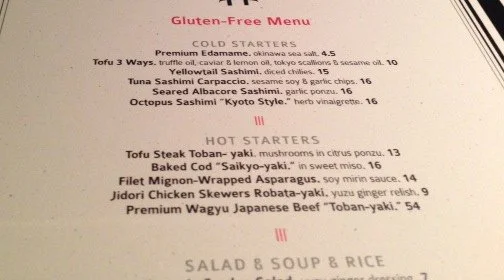
The Menu Reality Check Every Operator Needs to Do
Most menus slowly drift out of alignment with staffing, training, and execution. Regular reality checks prevent chaos.

Delegation Isn’t Letting Go — It’s Setting People Up to Win
Good delegation builds trust, confidence, and stronger teams — bad delegation creates chaos.